Snoqualmie's Closest Root Canal Specialist — 15 Minutes West
The Valley has excellent family dentists but no full-time endodontist. Ours sits 15 minutes down I-90 at exit 17 — close enough that a Ridge kid's sports injury can be treated the day it happens, with sedation for whoever's nervous, kid or grown-up.
Seattle Met Top Dentist 2026VP, WA State Assoc. of EndodontistsAAE MemberNot Corporate-Owned
Tooth trauma in the Valley?
A fly ball at the Ridge fields, an elbow on the basketball court, a bike crash on the Parkway — dental injuries can't wait out a referral chain. We reserve same-day emergency slots every business day, and from Snoqualmie you're 15 minutes away.
A deep cavity or a crack — from a ball, a bike, or just years of use — lets bacteria reach the soft nerve tissue inside the tooth. That tissue swells against hard dentin walls, and the result is the pain keeping you up at night.
02
How we fix it
Dr. Dejbod works through a surgical microscope to remove the damaged tissue completely, disinfect every canal to its tip, and seal the tooth so bacteria stay out for good.
03
How it ends
You keep your natural tooth. Your Snoqualmie family dentist protects it with a crown, and life in the Valley goes back to normal — usually by the next morning.
Specialist vs. Generalist
What a Specialist Adds, 15 Minutes Away
Snoqualmie dentists are great at what they do — and they refer to us for what we do. The difference in plain terms:
Evergreen Endodontics
Typical General Office
Training
Two to three years of specialty residency beyond dental school, dedicated entirely to saving teeth from the inside
A general dental degree; root canals are one procedure among dozens
Volume
10,000+ root canals completed — multiple cases a day, every working day
Usually a few root canals a month, worked in around everything else
Magnification
A surgical microscope at up to 14x on every single case — hidden canals and fine cracks show up clearly
Loupes or unaided eyesight; narrow or calcified canals can be missed
Sedation
Three in-house options — nitrous, oral, or IV — matched to each patient's nerves
Office-dependent; IV sedation is rare outside specialty practices
Your Visit
One Appointment, Start to Finish
Fifteen minutes down, about an hour in the chair, fifteen minutes home.
1
Examine & Image
A focused exam with digital X-rays — plus a 3D CBCT scan when the anatomy calls for one. Everything is shown to you on screen as we go.
2
Explain & Approve
The diagnosis, the alternatives, and the full cost — in everyday language, before any treatment. Your decision, your pace.
3
Relieve & Restore
Complete numbing first, then precise microscope work with sedation if you want it. Most Snoqualmie patients are back across the Valley within the hour.
Comfort Menu
Comfort Options for Every Nerve Level
From slightly uneasy to genuinely phobic — there's a setting for everyone in the family:
Option
How It Feels
Best For
Nitrous Oxide
Light, giggly relaxation that wears off in minutes — safe to drive yourself back over the hill
Mild nerves, routine cases
Oral Sedation
A prescription tablet beforehand; calm and drowsy, with the appointment a blur afterward
Moderate anxiety, longer procedures
IV Sedation
The deepest conscious sedation we offer, monitored continuously by Dr. Dejbod — like the visit never happened
Severe anxiety, surgical cases, bad gag reflexes
The Instrument Room
Tools That Find Trouble Early
Specialist equipment isn't decoration — it's the difference between finding a crack today and losing the tooth next year:
◆
Surgical Microscope
Up to 14x magnification makes hairline fractures and extra canals plainly visible.
◆
3D CBCT Imaging
Three-dimensional views reveal root shape, bone loss, and injuries that flat X-rays flatten away.
◆
Digital X-Rays
Sharp images in seconds at a fraction of old-school radiation doses.
◆
Apex Locator
Electronic length control so each canal is cleaned completely — never short, never past the tip.
Watch
A Quick Look at the Practice
For Snoqualmie families planning a first visit — see the office before you make the short drive.
I was terrified of getting a root canal, but Dr. Nima and his team made me feel so comfortable. The sedation helped me relax completely, and I barely felt anything. I can't believe how easy it was.
— Sarah M., Sammamish
Sedation patient
★★★★★
“
He explained the procedure, what to expect, and how to care for it afterward. Nothing felt rushed.
— Michael R., Bellevue
Clear communication
★★★★★
“
Seen the same day for a cracked tooth. I walked in barely able to think straight from the pain and left wondering why I waited so long.
— James R., Newcastle
Emergency visit
Close to home, on purpose
Meet the Valley's Nearest Specialist
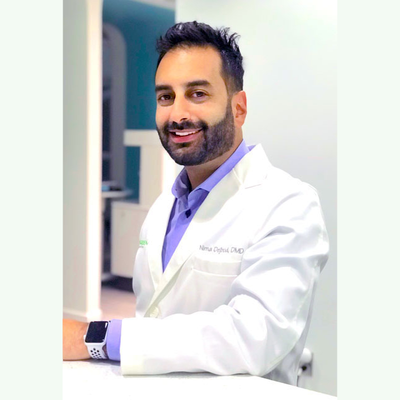
“Being the Valley's closest specialist means something to me. When a Snoqualmie family drives 15 minutes instead of an hour into Seattle, that's time back with their kids. I try to return the favor — one visit, done right, no runaround.”
Dr. Nima Dejbod, DMD · Washington State native · UW graduate · Seattle Met Top Dentist 2026 · Vice President, WA State Association of Endodontists
In-network fees are fixed by your insurance carrier — the same number at any in-network office. What you're actually choosing is who does the work. With benefits remaining, the typical insured patient pays $160–$655.
Snoqualmie Casino staff, Snoqualmie Valley School District employees, and Ridge-area families all bring plans we verify every week — your exact share is confirmed before your appointment, not after.
Getting Here
Snoqualmie to Exit 17 in About 15 Minutes
From the Ridge or downtown Snoqualmie, hop on I-90 west and take exit 17 — our office at 600 NW Gilman Blvd is just past the off-ramp. It's the same quick trip for North Bend, Fall City, and Preston families. Weekend warriors: if a Saturday game costs someone a tooth, call first thing Monday at 7:30 and we'll hold a same-day slot. Free parking sits right at the building.
From the Ridge to the Falls, North Bend to Preston, Valley residents reach specialist care in 15 minutes at exit 17. Look for your town — if it's listed, you're in range.
No — the Valley has excellent family dentists but no full-time endodontic specialty office. We are the closest: 15 minutes down I-90 at exit 17, which is why so many Snoqualmie and Ridge dentists refer straight to us.
How far are you from Snoqualmie Ridge?
About 15 minutes. Take I-90 west to exit 17 and our Gilman Boulevard office is just past the exit — near enough that Ridge families regularly fit treatment between school drop-off and the workday.
My child cracked a permanent tooth at a weekend tournament. What now?
Call us at 7:30 on Monday morning — or the morning of any weekday it happens — and ask for a same-day emergency slot. Dental trauma is exactly what those slots are reserved for, and injured permanent teeth do best when treated quickly.
Do you work with Snoqualmie Valley School District or casino employee plans?
Yes. We are in-network with the major PPO plans carried by the school district, Snoqualmie Casino, and most Ridge-area employers — Delta Dental, Regence, Premera, Cigna, Aetna, and more — and we verify your coverage before treatment.
What does a root canal cost in-network?
Roughly $800 for a front tooth, $1,000 for a premolar, and $1,300 for a molar at contracted PPO rates. Insured patients with benefits remaining usually pay $160–$655 out of pocket, quoted in writing before anything starts.
Will I need two visits?
Probably not. The large majority of root canals finish in one 60-to-90-minute appointment. A small number of retreatments or heavily calcified teeth need a second session — and if yours is one, you will know before treatment begins.
For Referring Dentists
Refer Your Patient to Dr. Dejbod
We are the closest endodontic specialty office to the Valley — Snoqualmie referrals are seen same-day, with reports back that day.
Medically reviewed by Dr. Nima Dejbod, DMD, endodontist and Vice President of the Washington State Association of Endodontists. About Dr. Dejbod
Last medically reviewed:
This content is for informational purposes only and is not a substitute for professional medical advice, diagnosis, or treatment. Always consult your dentist, physician, or another qualified health provider with any questions about a dental condition.